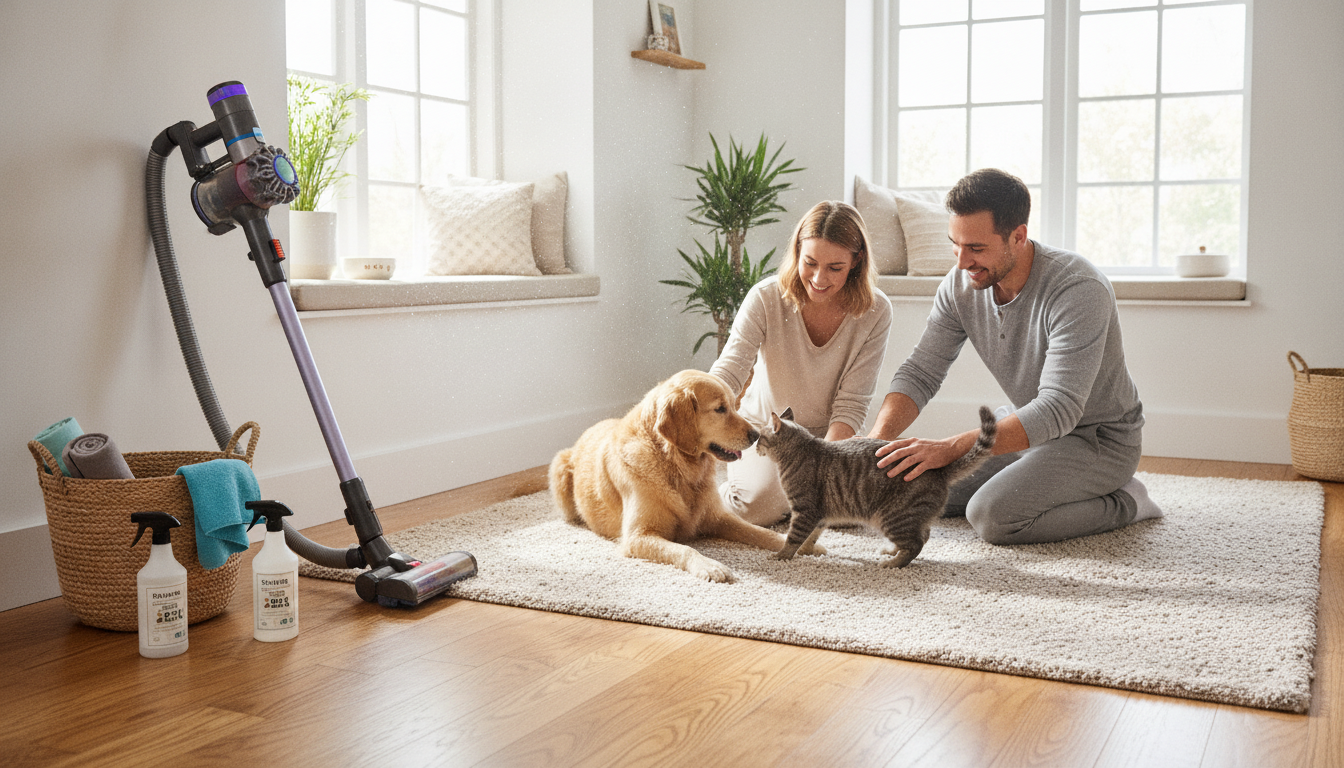
A tidy home with dogs and cats is less about nonstop scrubbing and more about smart routines, pet-safe products, and a few targeted habits that stop fur, odors, and tracked-in messes from building up. The most reliable approach is a quick daily “reset,” a predictable weekly deep-clean checkpoint, and a calm plan for accidents—so you’re not reacting to messes when they’ve already spread.
Before you buy another gadget or add more chores, do a two-minute walk-through and mark the zones that create 80% of the mess: the entryway, feeding station, litter area, favorite nap spots, and the main pet traffic lane through your home. Cleaning gets easier when you focus on the places where fur, dust, and paw prints repeatedly land.
| Area | Most common mess | Best quick fix | Weekly deep clean |
|---|---|---|---|
| Entryway | Mud, sand, wet paw prints | Wipe paws, shake out mat, spot-mop | Wash mats, clean baseboards |
| Feeding station | Kibble crumbs, water splashes, biofilm | Wipe floor + bowl area, refresh mat | Wash bowls, sanitize mat, scrub grout edges |
| Litter box zone | Tracking, dust, odor | Sweep around box, top up litter | Wash box, wipe walls/floor around it |
| Living room | Fur on upholstery, pet smell | Lint roll + quick vacuum | Wash throws/covers, vacuum under cushions |
| Bedroom | Dander on bedding, hair tumbleweeds | Shake blanket, quick floor pass | Launder bedding, vacuum mattress edges |
Pets live closer to the floor than humans and often groom residue off paws and fur, so “stronger” isn’t automatically “better.” Aim for effective cleaners that don’t rely on heavy fragrance or harsh reactions.
If you’re tempted to “freshen” rooms with essential oils, read safety guidance first. The ASPCA Animal Poison Control has resources on potential essential oil risks around pets.
The easiest fur to clean is the fur that never hits the floor. A few small habits can noticeably reduce tumbleweeds and that fine “dusty” layer on baseboards and furniture.
For general hygiene and household health basics around pets, the CDC Healthy Pets, Healthy People resources are a helpful reference.
If you prefer a structured plan with checklists and a room-by-room approach, the Clean Home with Pets | The Best Way to Keep Your Home Clean with Pets | Pet-Friendly Cleaning eBook Guide for Dog & Cat Owners walks through daily resets, weekly deep cleaning, and accident cleanup in a single routine. It’s also a practical way to set up a “one-basket” system so you’re not hunting for supplies when time is tight.
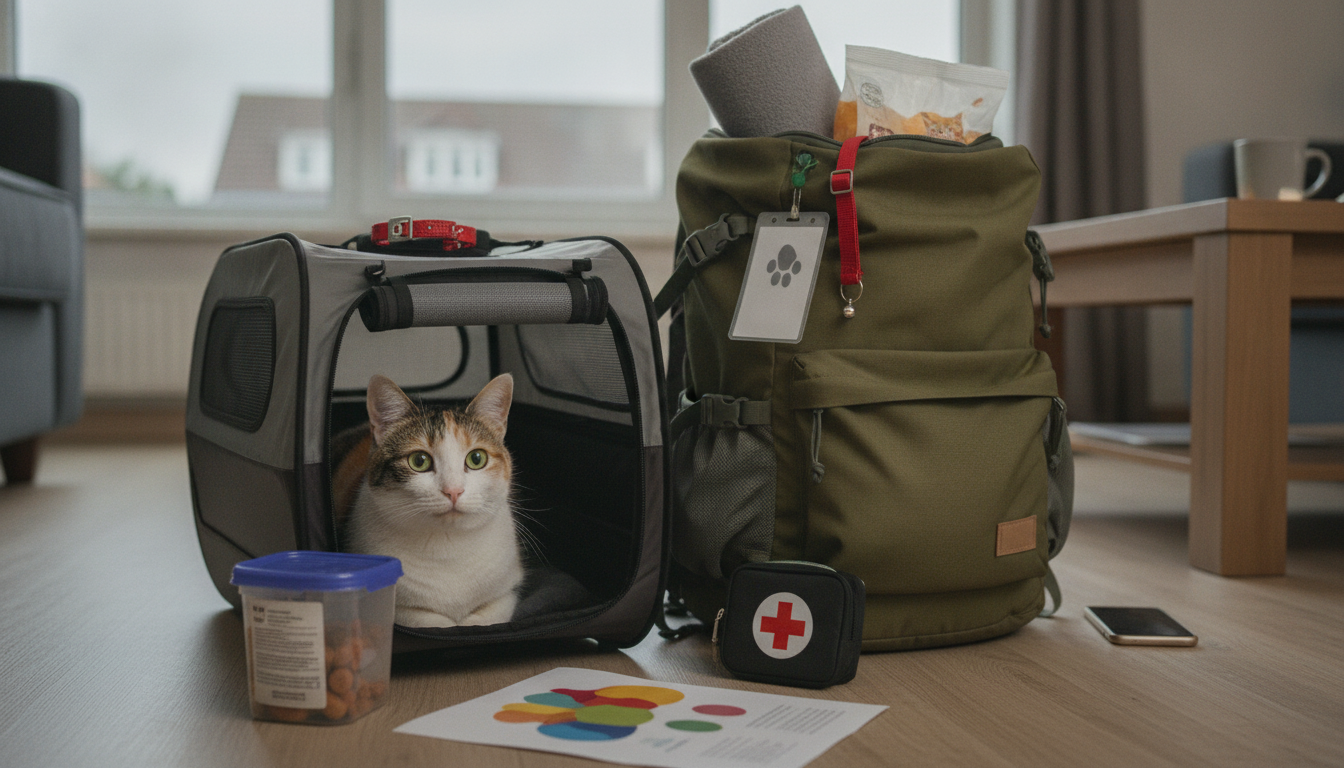
For overall readiness (especially if your pet has special needs during storms, evacuations, or power outages), pair your cleaning routine with Ready for Anything: Build Your Emergency Pet Plan – eBook Guide for Creating a Pet Emergency Plan, so the essentials are organized before you need them.
Blot first to pull up as much liquid as possible, then apply an enzyme cleaner and let it sit for the full recommended dwell time. Rinse and extract if needed to remove residue, avoid ammonia-based products, and keep pets away until the area is fully dry.
Scoop daily to prevent buildup and reduce tracking. Wash the box regularly—often weekly to monthly depending on the number of cats and litter type—and wipe the surrounding floor to reduce dust and odor.
Many essential oils can be risky for pets, especially cats, and even diffused oils can irritate sensitive respiratory systems. Safer options include ventilation, frequent fabric washing, and low-fragrance cleaning methods; a veterinarian can advise if you’re unsure.











Leave a comment